
Essex Weeding Services
Choose our professional weeding services for meticulous care that keeps your garden pristine, prevents unwanted growth, and ensures your plants thrive all season long.
Get a Free QuoteOur Essex Landscaping & Yard Care Services
When to Schedule Weeding in Essex, Connecticut – Seasonal Guide
In Essex, Connecticut, the best times to schedule weeding are typically in early spring and late summer, when local weather conditions are most favorable for effective weed removal. The town’s proximity to the Connecticut River and its mix of shaded woodlands and open lawns—such as those found near Main Street or the Essex Village Historic District—mean that weed growth patterns can vary significantly from one property to another. Early spring, just after the last frost date, is ideal for targeting weeds before they establish deep roots, while late summer offers another opportunity to manage growth before autumn leaf fall.
Local environmental factors play a crucial role in determining the optimal weeding schedule. Essex’s humid summers and occasional drought periods can influence both weed proliferation and soil conditions. Properties with dense tree coverage, like those near Cross Lots Preserve, may experience more persistent shade-loving weeds, while homes closer to the marshlands might contend with moisture-tolerant species. It’s also important to consider municipal guidelines and local resources, such as those provided by the Town of Sudbury, when planning your landscape maintenance.
Local Factors to Consider for Weeding in Essex
- Tree density and shade coverage (e.g., properties near Bushy Hill Preserve)
- Soil type and drainage, especially in river-adjacent neighborhoods
- Seasonal precipitation and drought risk
- Frost dates and temperature fluctuations
- Terrain and slope, which affect water runoff and weed spread
- Municipal restrictions or recommendations on herbicide use
Benefits of Weeding in Essex

Expert Local Knowledge
Efficient Weed Removal
Eco-Friendly Practices
Improved Garden Health
Reliable Scheduling
Competitive Pricing
Essex Weeding Types

Hand Weeding
-
Hoeing
-
Mulching
-
Chemical Weed Control
-
Flame Weeding
-
Mechanical Weeding
-
Selective Weeding
Our Weeding Process
Site Evaluation
Weed Identification
Targeted Removal
Soil Treatment
Final Inspection
Why Choose Essex Landscape Services
-
Essex Homeowners Trust Us
-
Expert Lawn Maintenance
-
Competitive Pricing
-
Professional Team
-
Satisfaction Guarantee
-
Personalized Service
-
Reliable Scheduling
Essex’s Glacial Till Soils and Weeding Best Practices for Public and Private Properties
Weeding in Essex, CT requires careful consideration of the town’s predominant glacial till soils, which are typically classified as Inceptisols and Ultisols according to the USDA Web Soil Survey. These soils are often rocky, moderately acidic (pH 5.5–6.5), and can exhibit poor drainage, especially in low-lying areas. Effective weed removal should include:
- Soil testing through UConn Extension (typical cost: $15–$25)
- Incorporation of 2–3 inches of compost tilled to a 6-inch depth to improve structure
- Lime application if pH is below 6.0
- Mulching to suppress regrowth and retain moisture
For properties near wetlands or conservation areas, maintain a 25-foot no-disturbance buffer as required by local ordinance. Coordination with the Essex Conservation Commission is essential for work near protected resources.
Essex Conservation Commission
29 West Avenue, Essex, CT 06426
Phone: (860) 767-4340
Official Website: Essex Conservation Commission
Yard Waste Collection and Weeding Debris Disposal Procedures in Essex
Proper disposal of weeding debris in Essex is managed through the Department of Public Works. The town provides weekly curbside yard waste collection every Thursday from April through November. Residents must use biodegradable paper bags or reusable bins (32-gallon maximum). The following materials are accepted:
- Leaves, grass clippings, and weeds
- Brush and branches under 4 feet in length and 4 inches in diameter
- No plastic bags or oversized branches
Improper disposal, such as placing debris in storm drains, is prohibited under Essex’s MS4 permit and the Clean Water Act. Violations may result in fines. For large volumes, the Essex Transfer Station is available during posted hours. For questions on collection schedules or disposal requirements, contact the Department of Public Works.
Essex Department of Public Works
29 West Avenue, Essex, CT 06426
Phone: (860) 767-0715
Official Website: Essex Department of Public Works
Environmental Compliance for Weeding Near Essex Wetlands and Water Bodies
Essex contains numerous wetlands, streams, and sensitive habitats, including areas adjacent to the Connecticut River and Falls River. Weeding activities within 100 feet of wetlands or watercourses are regulated under the Connecticut Environmental Protection Act and local ordinances. Key requirements include:
- Maintain a 25-foot no-disturbance buffer from wetlands
- No herbicide or fertilizer application within 50 feet of water bodies
- Use only EPA-registered products for invasive weed control
- Prevent debris from entering storm drains or waterways
Permits may be required for work in regulated areas; review time is typically 10 business days. For guidance, consult the Essex Conservation Commission or the Connecticut Department of Energy and Environmental Protection. Compliance with MS4 stormwater regulations is mandatory to protect local water quality.
Connecticut Department of Energy and Environmental Protection
79 Elm Street, Hartford, CT 06106
Phone: (860) 424-3000
Official Website: Connecticut Department of Energy and Environmental Protection
Equipment Operation Hours and Safety Standards for Weeding in Essex
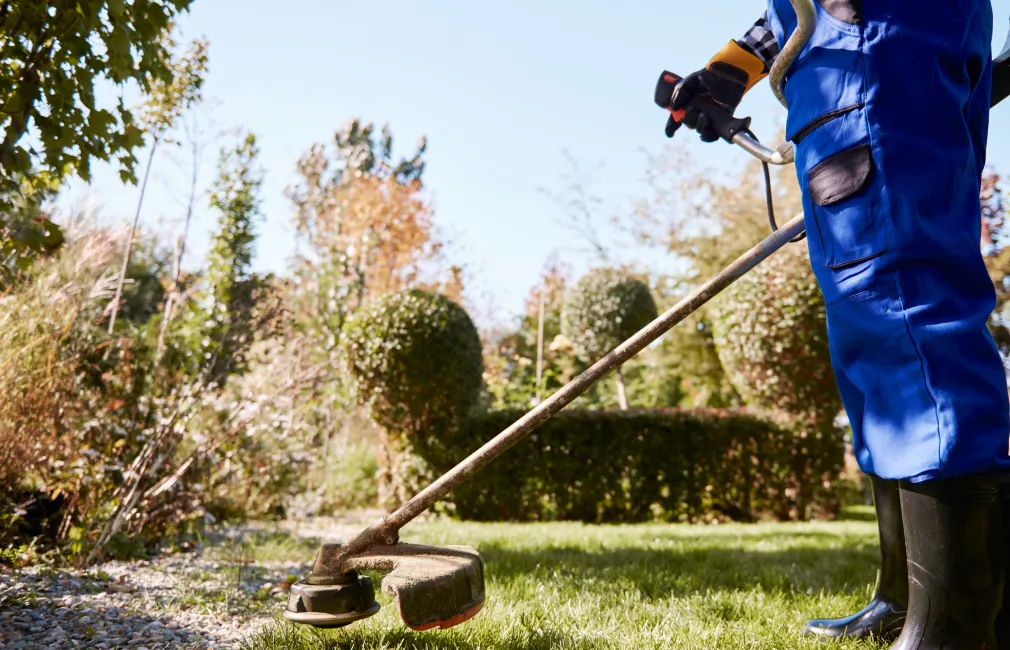
Weeding operations in Essex are subject to municipal noise ordinances and safety protocols. Equipment such as string trimmers and mowers may be operated during the following hours:
- Monday–Friday: 7:00 AM – 7:00 PM
- Saturday: 8:00 AM – 6:00 PM
- Sunday and holidays: Prohibited
Operators must use commercial-grade equipment with functioning mufflers and maintain noise levels below 85 decibels at property lines. Personal protective equipment (PPE) is required:
- ANSI Z87.1 safety glasses
- Hearing protection for equipment over 85 dB
- Steel-toed boots and cut-resistant gloves
For work near public roads or parks, coordinate with the Essex Parks and Recreation Department for access and safety requirements.
Essex Parks and Recreation Department
29 West Avenue, Essex, CT 06426
Phone: (860) 767-4340
Official Website: Essex Parks and Recreation Department
Optimal Weeding Timing for Essex’s USDA Hardiness Zone 6b
Essex is located in USDA Hardiness Zone 6b, with average annual minimum temperatures of -5°F to 0°F. The optimal timing for weeding is:
- Spring: April 15 – May 30 (soil temperature 50–65°F)
- Fall: August 20 – September 30 (before first frost, typically late October)
- Avoid June–August for major weeding due to heat stress and rapid regrowth
Monitor local weather conditions using the National Weather Service Boston/Norton office for Essex. For persistent perennial weeds, repeated removal every 2–3 weeks during the growing season is recommended. Mulching after weeding helps suppress regrowth and conserve soil moisture.
What Neighborhoods Do We Serve Throughout Essex, CT?
- Essex Village: Historic district with mature landscaping, compacted soils, and narrow streets requiring careful debris management and compliance with local preservation guidelines.
- Centerbrook: Features mixed residential and commercial properties, variable drainage, and proximity to the Falls River, necessitating strict adherence to wetland buffer regulations.
- Ivoryton: Known for larger lots, mature trees, and periodic flooding, which can complicate debris removal and require specialized equipment for access.
- Book Hill Woods: Wooded area with rocky soils and steep slopes, presenting challenges for erosion control and safe equipment operation during weeding.
- Falls River Farms: Subdivision with newer development, HOA landscaping standards, and well-drained soils, requiring coordination for debris collection and adherence to community guidelines.
- Meadow Woods: Located near conservation land, with sensitive habitats and seasonal wetness, demanding extra care to avoid disturbance and comply with environmental protections.
- Essex Highlands: Elevated terrain with shallow, stony soils and limited street access, necessitating manual weeding methods and careful scheduling to minimize disruption.